Standing in a supplier's yard for the first time is quietly overwhelming. Dozens of Techo-Bloc pavers, each in several colours, several finishes and more than one thickness, all of them handsome, none of them obviously right for your particular driveway or patio. The paver is the part everyone sees, so the pressure to choose well is real, and the number of options makes it feel like guesswork.
It is not guesswork. Choosing the right paver comes down to three questions asked in the right order, and once you understand them the wall of samples starts to organize itself.
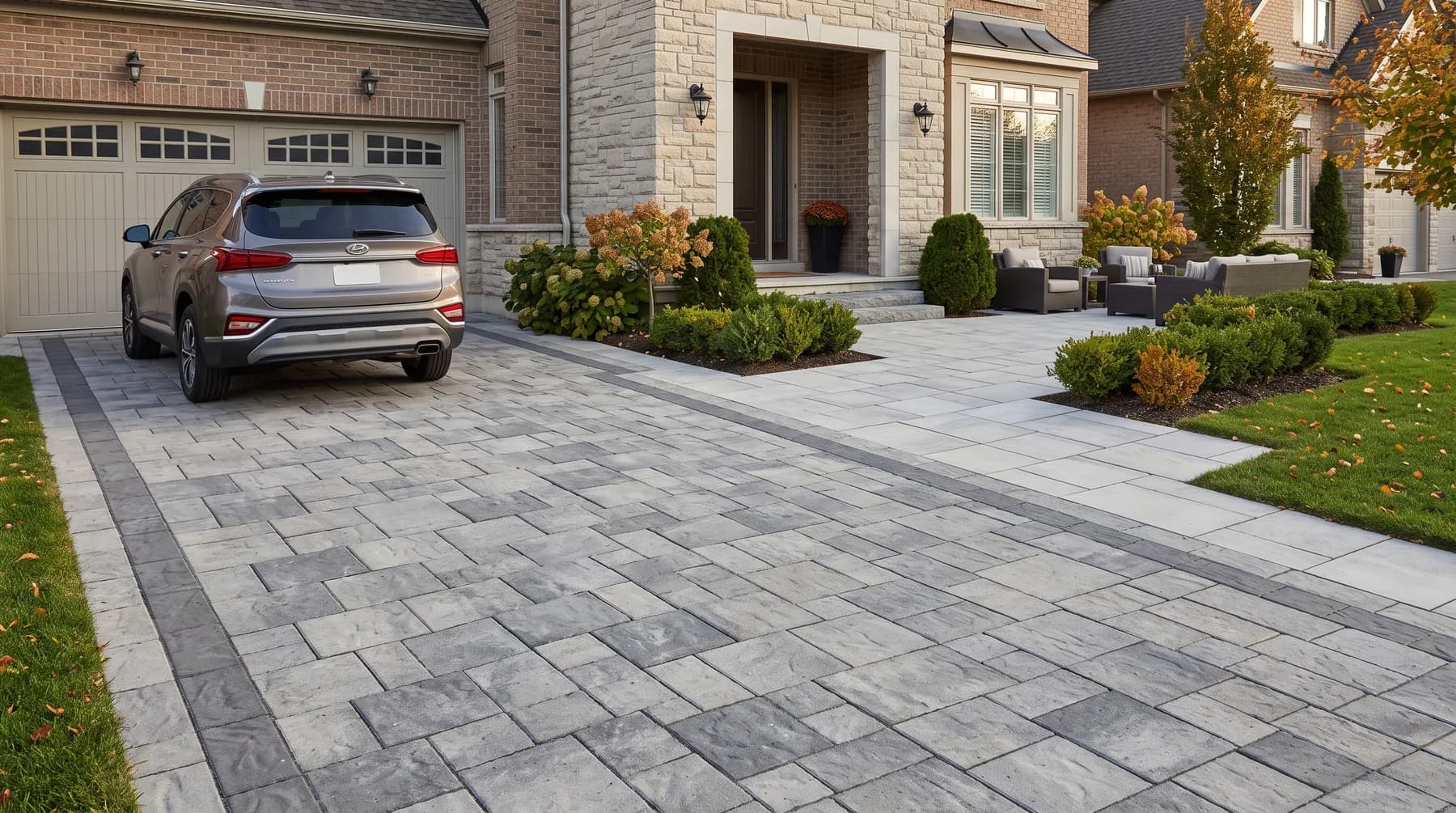
Thickness Comes First, and It Is Not Negotiable
Before colour, before pattern, before anything you would call design, there is thickness, and it is dictated by use rather than taste. A sixty millimetre paver is built for pedestrian traffic, which means patios, walkways and pool surrounds. An eighty millimetre paver is built to carry vehicles, which means driveways and any surface a car will ever touch.
Putting a patio paver under a driveway is the most expensive mistake available in this whole category, because it will crack under load no matter how perfect the base beneath it. Where a patio meets a driveway, the usual solution is to pair a sixty millimetre field with an eighty millimetre transition, choosing both from the same line so colour and texture match seamlessly. That distinction is the foundation of any real interlocking driveway project, and it settles half the decision before design even begins.
Matching a Techo-Bloc Line to the Look You Want
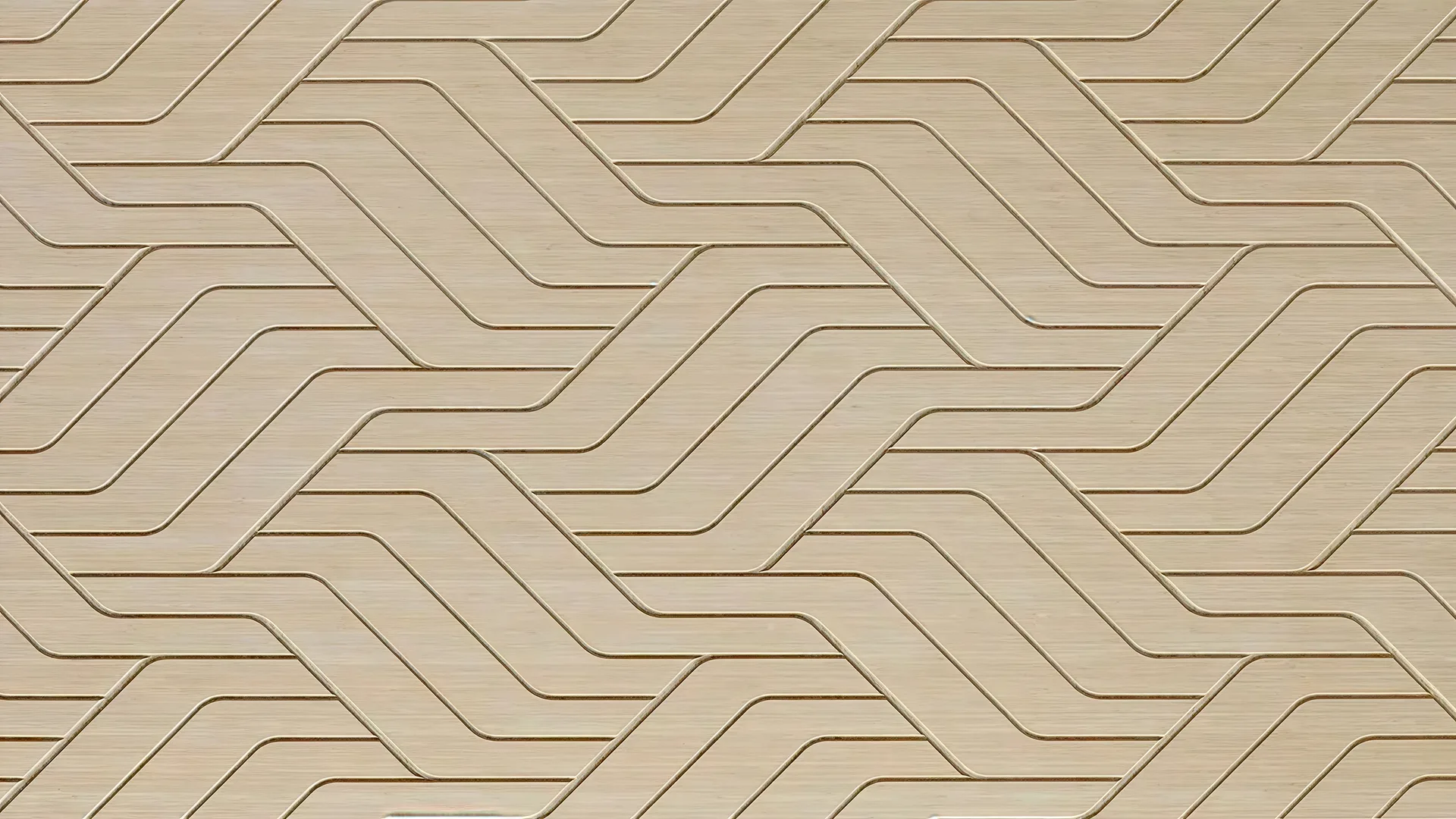
Only once thickness is fixed does the pleasant part begin. Techo-Bloc pavers span a wide range of characters, and knowing the families saves hours. Large format smooth slabs such as Blu 60 and Industria read modern and calm, with minimal joints and a clean monolithic surface that suits contemporary homes. Textured and natural stone inspired lines such as Travertina, Everest and Antika bring warmth and irregularity that flatter traditional architecture.
The rule is to let the house choose. Pull the tone of the paver from the brick, stone or trim already present rather than introducing a fourth colour to the frontage, and match the formality of the pattern to the era of the home. A modern slab on a century property tends to fight it, while a rustic cobble under a sharp contemporary build looks equally out of step.
If you are weighing manufactured pavers against the alternatives entirely, our comparison of interlocking versus concrete versus asphalt is a useful place to start before you commit to a line.
For the wider field of options, from cobble looks to permeable systems, our broader guide to choosing the right pavers covers the ground in more detail and is worth reading alongside this one.
Colour, Finish, and Surviving a Canadian Winter
Colour is where most regret lives, and our climate makes the stakes higher. Very pale stone shows tire marks, road grime and the general reality of a salted winter. Very dark stone shows dust and the pale bloom of efflorescence. Mid tones in charcoal, grey and warm beige, especially in the blended ranges, hide the season far better and disguise the small variations between production batches.
Finish matters just as much. Techo-Bloc pavers are through coloured, so the pigment runs the full depth of the stone and does not fade or wear pale the way a surface dyed product would, and the premium lines are engineered specifically for freeze and thaw durability and for resistance to the salt spread on driveways to melt ice. In a region that sees all of that every winter, those properties are not marketing. They are the difference between a driveway that still looks new in ten years and one that does not.
Getting Techo-Bloc Pavers Installed Properly
The finest paver in the catalogue will fail on a poor base, and this is worth saying plainly because it is where cheap installations save money. Beneath the stone sits bedding sand, and beneath that a compacted granular base excavated and built to the correct depth for the load above it. Get that wrong and no product, Techo-Bloc or otherwise, will save the surface from heaving and settling.
Pattern plays into strength as well, which is why herringbone remains the standard under vehicle loads while running bond suits lighter patio use. Choosing the paver is genuinely the enjoyable half of the job, but it only pays off when the invisible half is done to the same standard. If you have narrowed down a look and want to know what it will actually take to build it, send us the details and we will spec the whole assembly, not just the top layer.